



By using our website, you agree to the use of cookies as described in our Cookie Policy
Is Wake Surfing on Lake Lanier Beginner Friendly?
Lake Lanier pulls a crowd for a reason. The water's big enough to breathe, the marinas know their stuff, and the wake surfing scene doesn't treat newcomers like outsiders. Most beginners walk off that first session grinning—or at least ready to try again. But friendly doesn't mean effortless. You still need the right setup, decent instruction, and enough humility to fall a few times without calling it quits.
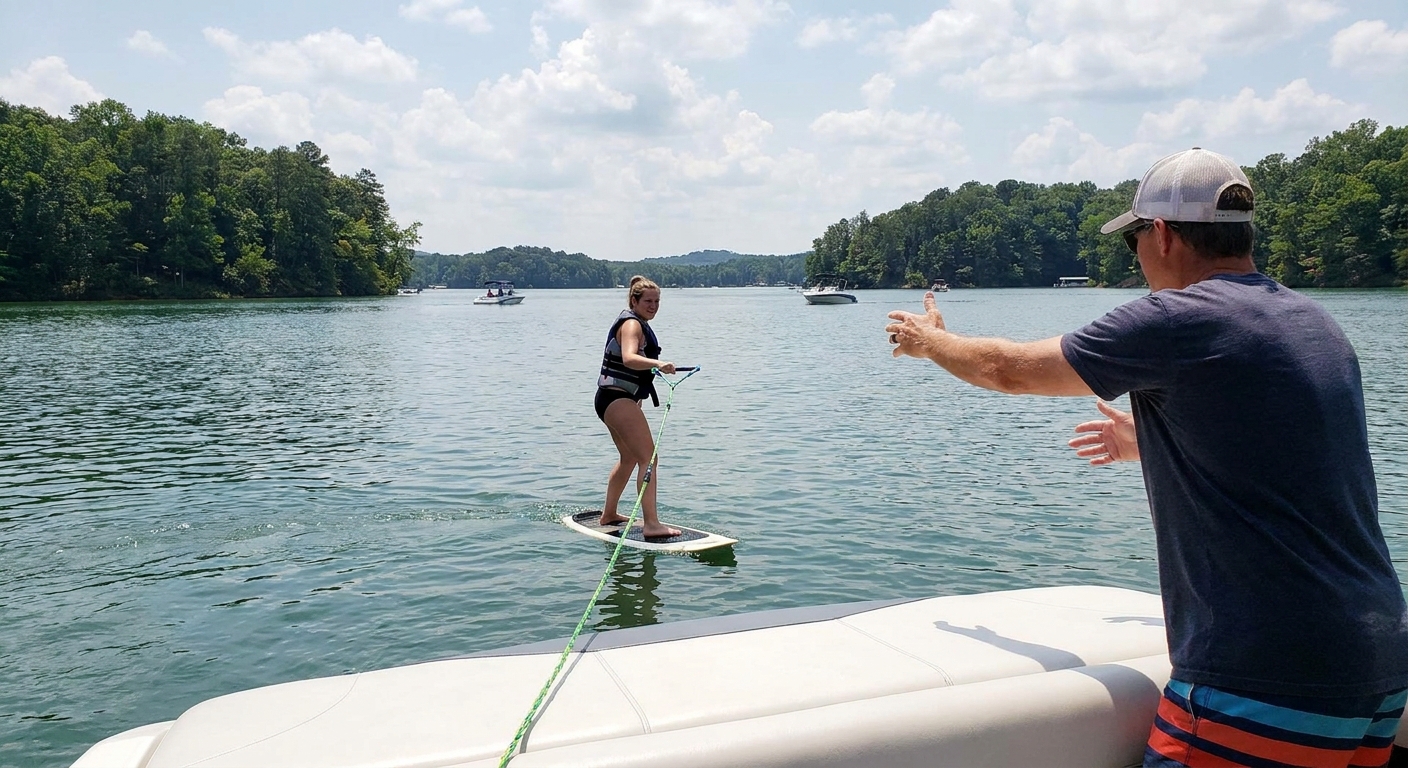
The real question isn't whether you can wake surf here. It's whether you're coming prepared. Because the lake will hand you opportunity, but it won't do the work for you. Show up with the wrong board, no guidance, and zero understanding of what you're getting into, and you'll spend more time sinking than surfing. Come ready, and Lanier delivers.
The Lake Gives You Room to Breathe
Lanier sprawls across 38,000 acres with shoreline that goes on forever. That size matters when you're learning something new. You're not dodging jet skis every thirty seconds or fighting for a lane. Early mornings and weekdays offer glass-smooth water—the kind that makes your first attempts feel less like chaos and more like controlled falling. And when the lake isn't packed, you get the mental space to focus on balance, timing, and not eating it in front of a crowd.
The footprint also means variety. Some coves stay calm even when the main channels get choppy. If conditions aren't ideal in one spot, you move. That flexibility is gold for beginners who need predictable water to build confidence. Lanier doesn't force you into a single zone or a single experience. It adapts.
The Gear and the Guidance Are Already Here
You don't need to own a wake boat to get started. Lanier's rental outfits stock the boats, boards, and safety gear that make wake surfing possible. Many offer lessons with instructors who've taught hundreds of first-timers. That means you're not guessing your way through setup or stance—you're learning from someone who's seen every mistake and knows how to fix it fast.
The local shops also understand that beginners need bigger, more stable boards. Trying to learn on a performance board built for pros is a waste of time and a fast track to frustration. Rental companies steer you toward the right equipment, not the flashiest. And if you decide wake surfing isn't your thing after one session, you're out a rental fee—not a mortgage on gear you'll never touch again.
What You Actually Need to Get on the Water
Before you show up expecting to wing it, make sure you've got the essentials locked down. Wake surfing isn't complicated, but it does require a specific setup that separates it from tubing or skiing.
- A wake surf boat designed to throw a clean, surfable wave—not just any boat with an engine
- A beginner-friendly wake surf board that's wide, stable, and forgiving when you're off-balance
- A Coast Guard-approved life jacket that fits snug and won't ride up when you hit the water
- A short, thick rope with a handle that lets you pull yourself into the wave without straining
- An instructor or experienced rider who can give real-time feedback and keep you from building bad habits
The First Session Will Humble You
No one pops up on the first try and rides the wake like they've been doing it for years. You're going to fall. Probably a lot. The board will slip out from under you, the rope will yank weird, and you'll spend half the session floating while the boat circles back. That's normal. What separates people who stick with it from those who bail is expectation management. If you go in thinking it's going to click instantly, you'll leave disappointed.
But if you treat it like a skill that takes reps—like learning to ride a bike or nail a golf swing—you'll see progress fast. Most beginners get up within a few tries once they stop overthinking it. The key is staying loose, letting the boat do the work, and trusting your instructor when they tell you to adjust your weight or your stance. Fighting the process only drags it out.
Safety Isn't Negotiable
Wake surfing looks laid-back, but it comes with real risks if you cut corners. The boat operator needs to know what they're doing—how to set the speed, manage the wake, and keep distance from the surfer. A spotter is mandatory, not optional. They watch you while the driver watches the water. And never, ever surf behind a boat with an exposed propeller. That's not caution—that's common sense.
Falling safely is part of the learning curve. Let go of the rope when you lose balance and fall away from the board, not into it. Keep your limbs relaxed and don't try to brace yourself with stiff arms. The water's forgiving, but only if you work with it instead of against it. Respect the lake, the equipment, and the people around you, and you'll walk away with nothing worse than tired legs and maybe a bruise or two.
Mistakes Beginners Make Before They Even Start
Most first-timers don't fail because wake surfing is too hard. They fail because they skip steps or make assumptions that sabotage the whole experience.
- Choosing the wrong board because it looks cool instead of asking what actually works for beginners
- Skipping instruction and trying to figure it out solo, which turns a two-hour learning curve into a two-week slog
- Showing up on a Saturday afternoon when the lake's packed and the water's a washing machine
- Wearing a life jacket that's too loose, too tight, or not rated for impact sports
- Giving up after three falls instead of pushing through the awkward phase every beginner hits
When to Call in an Instructor
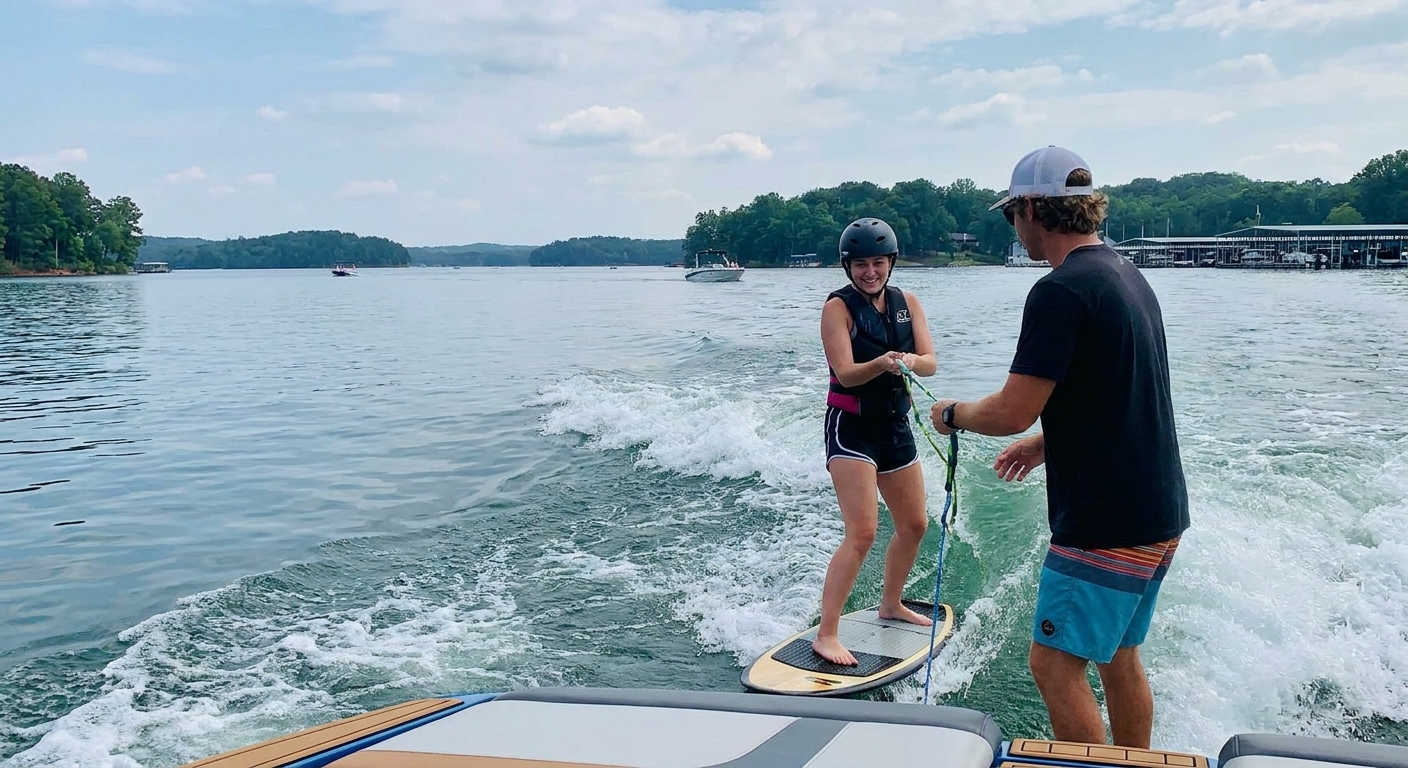
You can teach yourself to wake surf the same way you can teach yourself to play guitar by watching YouTube videos. Some people pull it off. Most don't. An instructor compresses the timeline, corrects your form before bad habits set in, and keeps you from wasting half your session on techniques that don't work. If you're serious about actually learning—not just flailing around for an afternoon—book a private surfing experience.
Instructors also handle the logistics. They know where to go on the lake, what speed to run, and how to adjust the wake based on your weight and skill level. You're not troubleshooting in real time or guessing whether the rope's too long or the boat's too slow. You just focus on getting up and staying up. That's worth the cost.
What Experienced Riders Wish They'd Known
Talk to anyone who's been wake surfing for a while, and they'll tell you the same things they wish someone had drilled into them on day one.
- Start with a longer board—you'll upgrade later, but stability beats style when you're learning
- Don't death-grip the rope; a loose hold lets you feel the pull and respond instead of fighting it
- Keep your knees bent and your weight centered—stiff legs and leaning back are the fastest way to eat it
- Watch the horizon, not the board; looking down kills your balance and messes with your posture
- Hydrate before, during, and after—dehydration sneaks up fast when you're out in the sun and exerting energy
The Community Makes a Difference
Lanier's wake surfing crowd skews helpful. You'll find experienced riders willing to share tips, boat operators who slow down when they see beginners struggling, and shops that prioritize getting you on the water over upselling gear you don't need. That culture matters. Learning a new sport in a space where people want you to succeed feels different than learning somewhere everyone's too busy or too competitive to care.
Join a group lesson if you're flying solo. You'll meet other beginners, share the learning curve, and maybe leave with a crew that wants to surf again next weekend. The social side of wake surfing is half the appeal. The other half is the adrenaline rush when you finally let go of the rope and realize you're riding the wave on your own. If you're wondering how long to book for your session, consider starting with a half-day charter to give yourself enough time to progress.
Lanier Hands You the Setup
Wake surfing on Lake Lanier isn't beginner friendly because it's easy. It's beginner friendly because the infrastructure, the conditions, and the people set you up to succeed. The lake gives you space. The rentals give you gear. The instructors give you shortcuts. What you do with all that is up to you. Show up ready to fall, ready to listen, and ready to put in a few sessions before you expect to look good out there. Do that, and Lanier will hand you one of the best learning environments you'll find anywhere. For more information about participating in watersports, consider exploring available charter services.
Ready to Start Your Wake Surfing Journey?
We know the first step is always the hardest, but Lake Lanier makes it easier—and so do we. If you're ready to trade hesitation for excitement and want a team that’s as invested in your progress as you are, let’s make it happen together. Give us a call at 470-526-8099 or book now to lock in your spot and get out on the water with confidence.
‹ Back
Recent Posts
-
Is Wake Surfing on Lake Lanier Beginner Friendly?
September 11, 2026
-

What To Bring For A Full Day On Lake Lanier
August 28, 2026
-

Why Half Day Charters Are Popular On Lake Lanier
August 14, 2026
-
Can Kids Enjoy A Private Surf Charter On Lake Lanier?
July 31, 2026
-
Best Times Of Day For Wake Surfing On Lake Lanier
July 17, 2026